When it comes to our overall well-being, mental health is just as important as physical health. In fact, our mental and emotional well-being can greatly impact our daily lives, relationships, and overall happiness. That’s why it’s crucial to prioritize our mental health and seek therapy when needed.
The Stigma Surrounding Mental Health
Unfortunately, there is still a stigma surrounding mental health that prevents many individuals from seeking the help they need. This stigma often stems from a lack of understanding and misconceptions about mental health conditions. It’s important to remember that mental health issues are not a sign of weakness or a personal failing. They are medical conditions that can be effectively treated with therapy.
The Benefits of Therapy
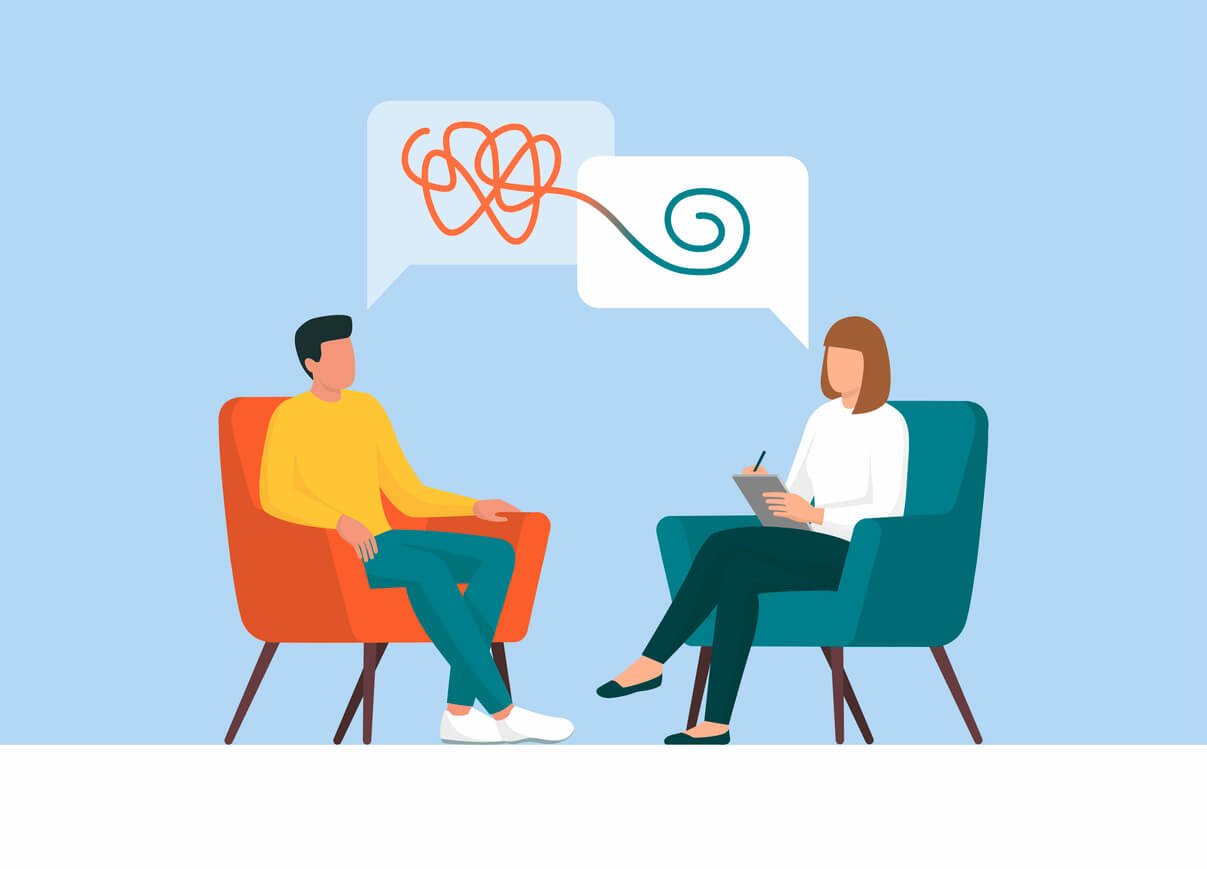
Therapy, also known as counseling or psychotherapy, is a valuable tool for improving mental health and well-being. It provides a safe and confidential space for individuals to explore their thoughts, feelings, and behaviors with a trained professional. Here are some of the benefits of therapy:
- 1. Emotional Support: Therapy offers a supportive and non-judgmental environment where individuals can express their emotions and concerns without fear of being criticized or misunderstood.
- 2. Problem Solving: Therapists can help individuals develop effective strategies for coping with challenges and solving problems in their personal and professional lives.
- 3. Improved Relationships: Therapy can help individuals improve their communication skills, resolve conflicts, and build healthier relationships with their partners, family, and friends.
- 4. Self-Discovery: Therapy provides an opportunity for self-reflection and self-awareness, helping individuals gain a deeper understanding of themselves and their values.
- 5. Coping Skills: Therapists can teach individuals valuable coping skills and techniques to manage stress, anxiety, depression, and other mental health challenges.
Types of Therapy
There are various types of therapy available, and the most suitable approach depends on the individual’s specific needs and preferences. Some common types of therapy include:
- 1. Cognitive Behavioral Therapy (CBT): CBT focuses on identifying and changing negative thought patterns and behaviors that contribute to mental health issues.
- 2. Psychodynamic Therapy: This therapy aims to explore unconscious patterns and unresolved conflicts to gain insight into the individual’s emotions and behaviors.
- 3. Mindfulness-Based Therapy: This approach combines elements of meditation and mindfulness to help individuals become more aware of their thoughts and emotions.
- 4. Family Therapy: Family therapy involves working with the entire family to improve communication, resolve conflicts, and strengthen relationships.
When to Seek Therapy
It’s important to recognize when seeking therapy may be beneficial. Here are some signs that indicate therapy could be helpful:
- 1. Persistent feelings of sadness, anxiety, or hopelessness.
- 2. Difficulty coping with daily stressors or major life changes.
- 3. Relationship problems or conflicts with family, friends, or colleagues.
- 4. Traumatic experiences or unresolved past issues.
- 5. Substance abuse or addictive behaviors.
If you are experiencing any of these issues, reaching out to a therapist can provide the support and guidance you need to navigate these challenges.
Conclusion
Remember, taking care of your mental health is just as important as taking care of your physical health. Seeking therapy is a proactive step towards improving your well-being and leading a happier, more fulfilling life. Don’t let the stigma surrounding mental health prevent you from seeking the help you deserve. Reach out to a therapist and start your journey towards better mental health today.