The Importance of Addressing Mental Health Challenges
Mental health challenges are a common and often misunderstood aspect of our lives. While physical health is widely recognized and prioritized, mental health tends to be overlooked or stigmatized. However, it is crucial to acknowledge and address these challenges for the well-being of individuals and society as a whole.
The Impact of Mental Health Challenges
Mental health challenges can affect anyone, regardless of age, gender, or background. They can manifest in various forms, such as anxiety disorders, depression, bipolar disorder, or schizophrenia. These conditions can significantly impact a person’s thoughts, emotions, and behavior, making it difficult for them to cope with daily life.
Furthermore, mental health challenges not only affect the individual but also have a ripple effect on their relationships, work, and overall quality of life. They can lead to social isolation, strained relationships, decreased productivity, and even physical health problems.
Breaking the Stigma
One of the biggest barriers to addressing mental health challenges is the stigma surrounding it. Many people hesitate to seek help or speak openly about their struggles due to fear of judgment or discrimination. This stigma perpetuates the idea that mental health issues are a sign of weakness or personal failure, which couldn’t be further from the truth.
It is essential to break this stigma and create a supportive environment where individuals feel comfortable seeking help and discussing their mental health. Education and awareness campaigns play a crucial role in dispelling myths and promoting understanding. By normalizing conversations around mental health, we can encourage more people to seek the help they need.
The Importance of Seeking Help
Seeking help for mental health challenges is not a sign of weakness but rather a sign of strength and self-awareness. Just as we would seek medical attention for physical ailments, it is equally important to prioritize our mental well-being.
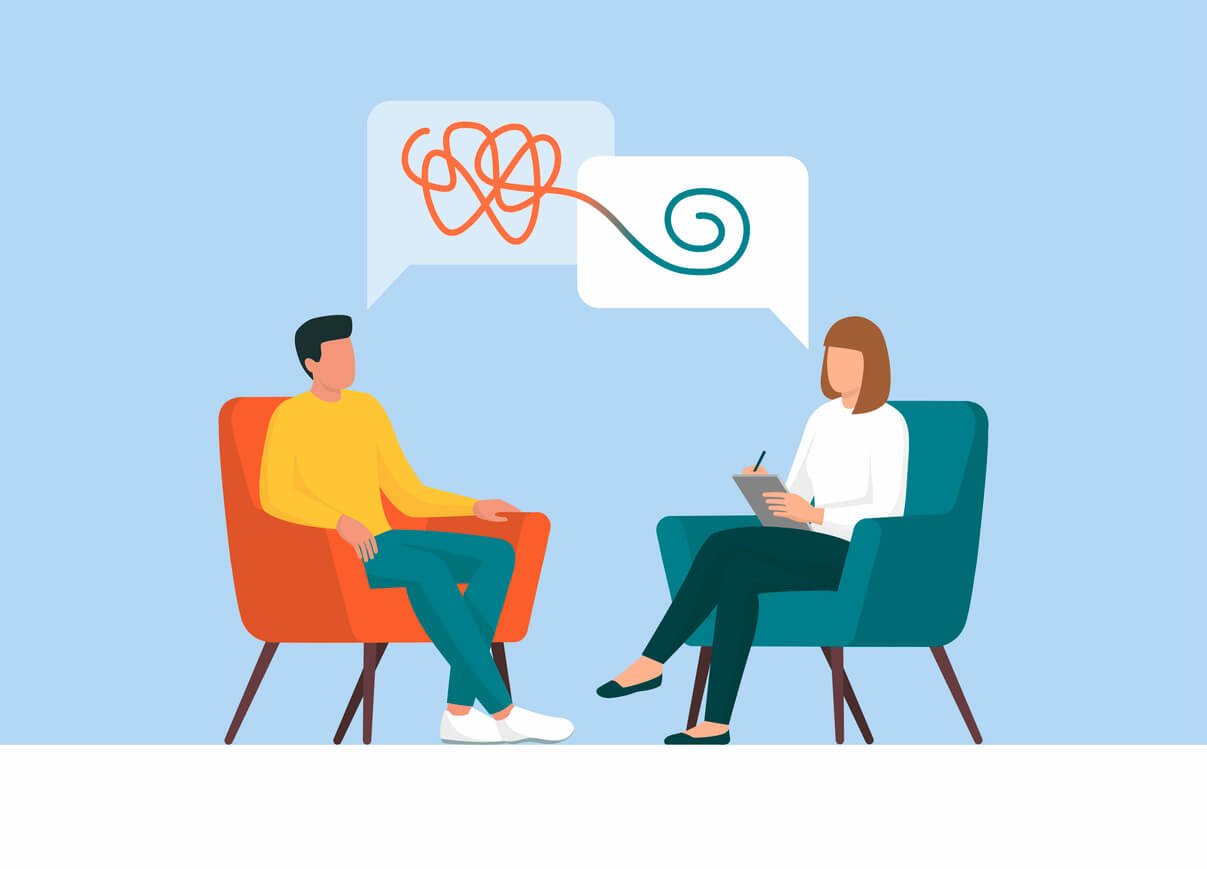
There are various resources available for individuals facing mental health challenges. Mental health professionals, such as therapists or counselors, can provide guidance, support, and evidence-based treatments. Additionally, support groups, helplines, and online communities offer a sense of belonging and understanding.
It is important to remember that everyone’s journey is unique, and there is no one-size-fits-all solution. What works for one person may not work for another. Therefore, it is crucial to explore different options and find the approach that resonates with you.
Self-Care and Well-being
While seeking professional help is essential, there are also steps individuals can take to promote their own mental well-being. Self-care practices, such as exercise, mindfulness, and maintaining a healthy lifestyle, can have a positive impact on mental health.
Building a strong support system of friends and family who understand and validate your experiences is also crucial. Surrounding yourself with positive influences and engaging in activities that bring you joy and fulfillment can contribute to overall well-being.
Conclusion
Mental health challenges are a reality that many individuals face, and it is crucial to address them openly and compassionately. By breaking the stigma, seeking help, and prioritizing self-care, we can create a society that values and supports mental well-being.
Remember, mental health is just as important as physical health, and seeking help is a sign of strength. Let us work together to create a world where mental health challenges are understood, accepted, and treated with the care they deserve.